Visitors Guide to Ralls County, Missouri
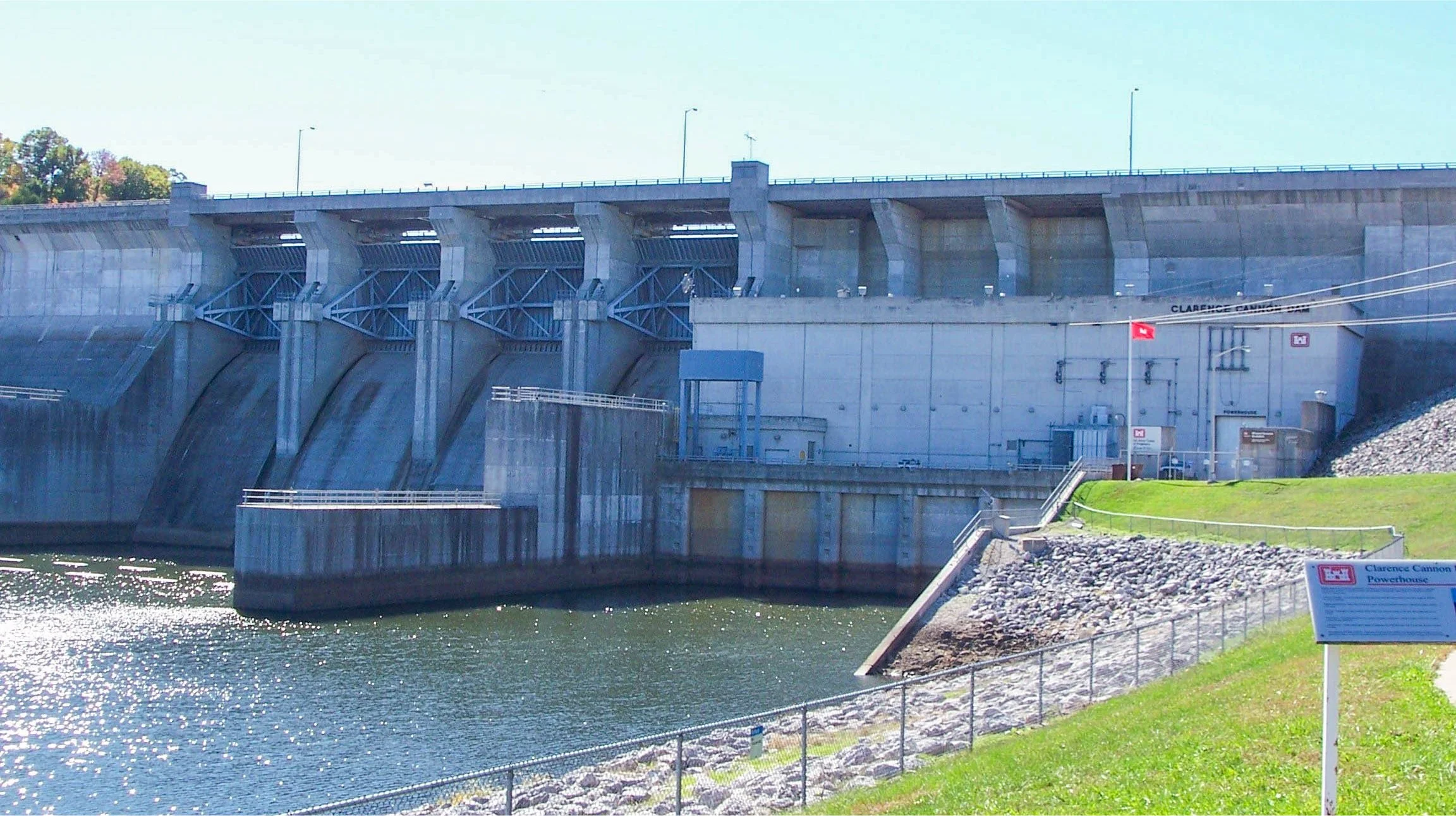
Clarence Canon Dam
Ralls County is located approximately 100 miles north of St. Louis and contains a diverse habitat that includes rolling prairie and the Lincoln Hills. The Lincoln Hills extend along the Mississippi River in Lincoln, Pike, Ralls, and Marion counties resemble the rugged and forested hills of the Ozarks. Two major prehistoric Native American trails, transcontinental in nature, crossed near Salt River in Ralls County and on the river bluffs near Cincinnati are rock paintings, high on the stone bluff wall that can be seen only from a boat.
Europeans arrived in the region when Spanish explorers reported a wilderness that was overgrown and unfit for the cultivation of corn and beans. French fur trappers arrived in the 18th century and the first settlements were established at the salt springs near what are now Saverton and Spalding Springs. Salt was manufactured by evaporation over open fires, and shipped to market at St. Louis by canoes down the Mississippi.
In the early 1800s permanent English-speaking settlers began moving into the Salt River valley. During the early years there was conflict with the Native Americans and the Salt River became known as the “Bloody Saline” with many of the settlers moving on to safer locations. It wasn’t until after the War of 1812 that the hostile tribes moved on that Europeans began to resettle the Salt River Valley with farms and building up an agricultural economy that continues to flourish to this day.
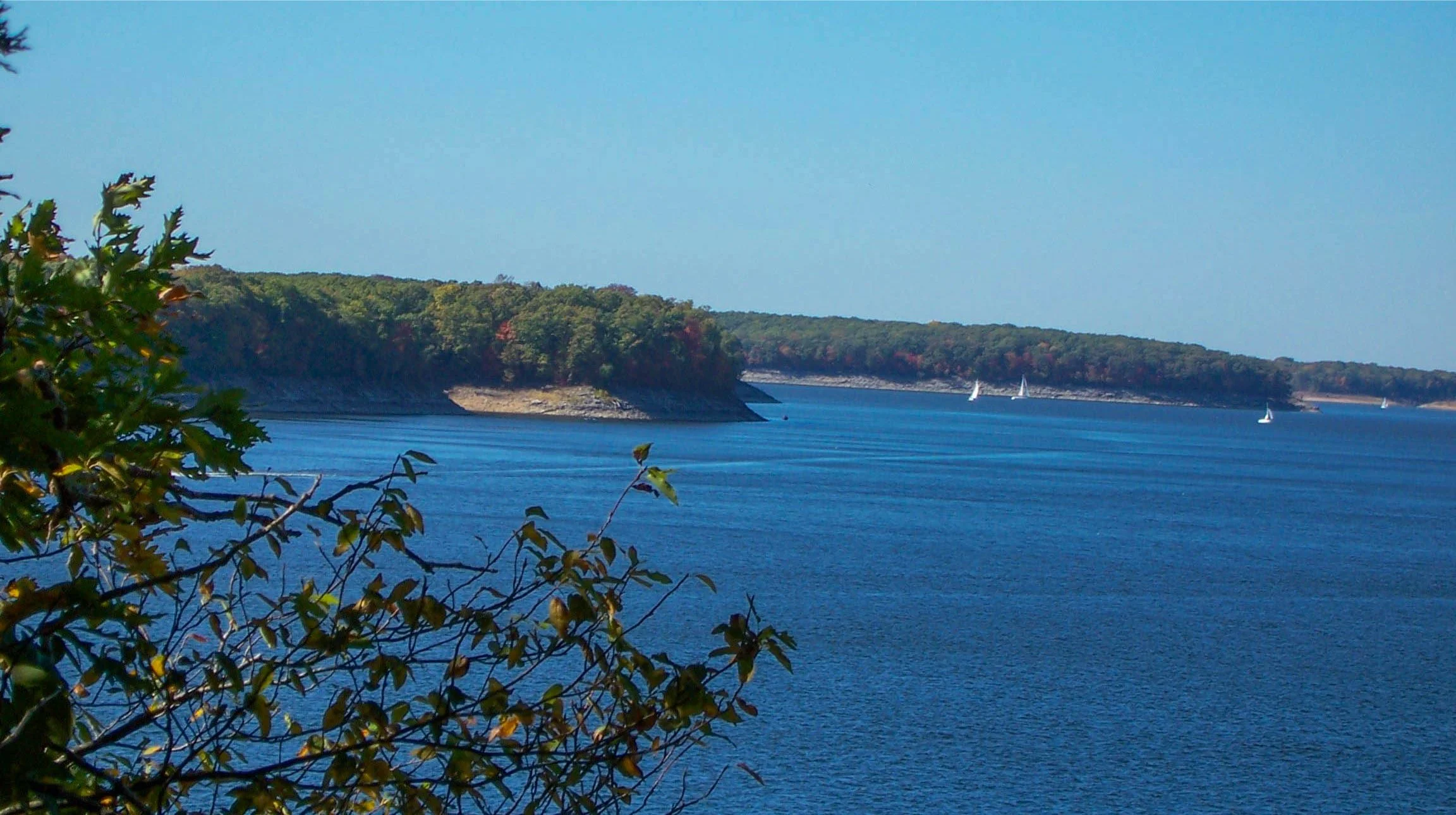
Mark Twain Lake
The towns began to spring up and became trading centers for the farms in the area. New London was platted in 1819 just south of the Salt River by William Jamieson. When Ralls County was organized from Pike County in 1820 New London was selected as the county seat. Originally Ralls County comprised a large expanse of land stretching north to the Iowa line from which nine other counties and portions of four others were eventually formed. It assumed its present size in 1836. The county is named for Daniel Ralls (1875-1820), a Pike County legislator who is best known for casting the deciding vote to elect Thomas Hart Benton to the U.S. Senate. Ralls died shortly after the vote, and the county was named for him a few weeks later.
New London’s location on the historic Salt River Country Road and an extension of the St. Louis, Hannibal, & Keokuk Railroad in the late 1870’s helped the town grow as a trading post and political center. The town has good examples of 19th-century residential and commercial styles including the 1858 two-story Greek Revival temple-style courthouse that features a two-story full-façade colonnaded porch topped by a cupola that is a reproduction of the belfry on Carpenter’s Hall in Philadelphia.
The Salt River Country Road, extending from St. Louis to Ralls County and later to Iowa was improved during the early 20th century. It became known as the Red Ball Road because the signs along its route were a red ball painted on a white square attached to telephone poles. These signs were maintained by merchants to guide motorists to the next town offering gasoline and supplies. US 61 overlays and approximates these two roads.
A major attraction in Ralls County is Mark Twain Lake that was created when the Clarence Cannon Dam was completed in 1983. The dam impounds the upper Salt River about 63 miles upstream from its confluence with the Mississippi River and forms the 18,000-acre lake. A total of 54,000 acres of land and water have been set aside for recreational opportunities that includes boating, fishing, hunting, and hiking. Camping is available in three Corps of Engineers developed recreation areas, at the Mark Twain State Park and in several private recreation areas around the lake.