Visitors Guide to Golden
Adams County, Illinois
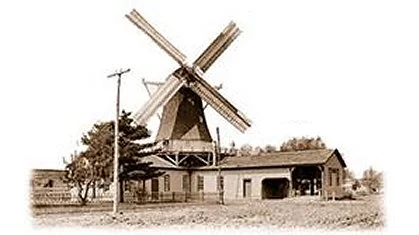
The Village of Golden is a primarily agricultural center in northwest Adams County. Some of the first settlers to the Golden area were the families of Gerd Tjarks Franken and his brother-in-law Jann Gerdes Buss of Ostfriesland, a coastal region in northwest Germany. They arrived in New Orleans in May of 1848 intending to go travel on to Texas. After learning of Kickapoo and Lipan Apache raids on settlers and a drought their plans changed and they traveled up the Mississippi River to St. Louis where they heard of a community of Germans from Ostfriesland in nearby Waterloo, Illinois. While on the docks of St. Louis they were advised by a German farmer that the land near Waterloo was unhealthy and swampy due to the repeated floods of the Mississippi River and were advised to continue upriver to the Quincy, Illinois area. The people of Quincy were hospitable and provided shelter and assistance in finding work. Franken and Buss were told of available prairie land in Clayton Township in northwest Adams County. By 1848 both families were farming the land in this area. Letters to the homeland with favorable reports about the conditions in Clayton Township induced other families to immigrate to the area. The 1850 census of Clayton Township lists 7 families from Germany. By 1852 another 7 families had joined their fellow countrymen. These 14 families organized Immanuel Lutheran Church of South Prairie in 1852 and the church and the blacksmith shop of Hinrich Franzen formed the nucleus of a new community.
In 1854 "The Custom Mill", the first of three wind-powered grinding mills was built. Hinrich R. Emminga was responsible for building all three Dutch style windmills that operated in the Golden area. Trained as a millwright in Germany, Emminga immigrated to the Golden area in February 1852. Instead of cash, Emminga would receive a percentage of the grain from the farmer as his milling fee, which he would then grind into flour for sale. The second mill, “The Gronewold Mill" was built in 1865 and a third mill, "The Prairie Mill" was built in 1872-73. Hinrich Emminga operated the Prairie Mill until the fall of 1878 when he sold it to his son. The Emminga family continued milling operations well into the 20th century. In 1889 H. H. Emminga built a “New Era” steam mill which had a more reliable steam engine and incorporated the “roller process” of milling wheat that significantly increased the quantity and quality of wheat flour. The Prairie Mill continued to mill corn meal and specialty flours from buckwheat and graham. The Prairie Mill continued to operate as a wind-powered mill until 1924 after a storm tore off two of the four sails. After this storm the windmill was modified to operate using a gasoline engine until all operations at the mill ceased in 1930.
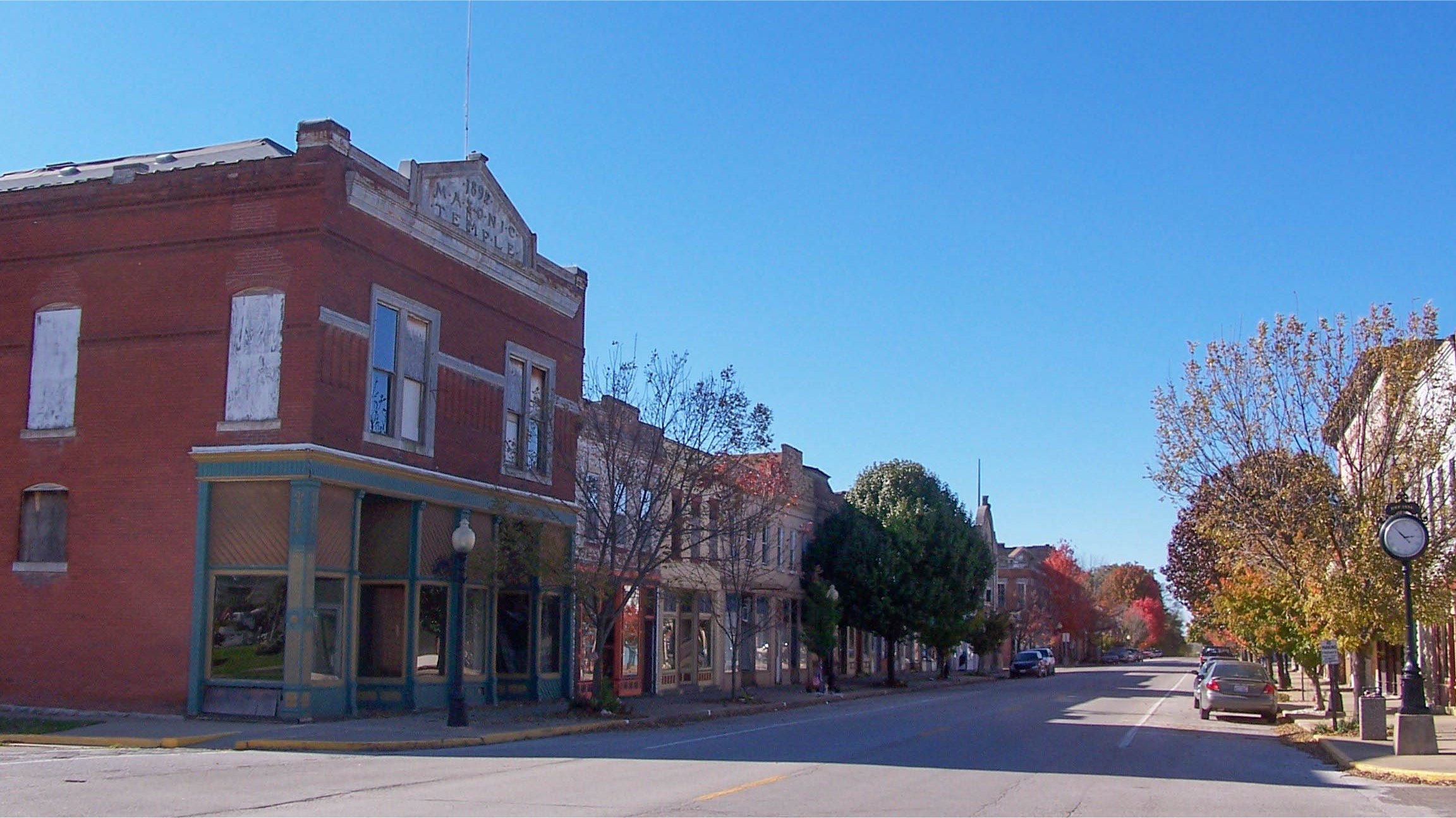
In 1862 the Wabash Railway located its branch line from Clayton to Keokuk, Iowa, and J. H. Wendell built a shack and a small saloon on the side of the tracks near their junction with the Chicago, Burlington & Quincy Railroad. Others soon followed, L. U. Albers and G. H. Buss opening stores and after a becoming business partners they established a grain house. This emerging village became known as Keokuk Junction. At first the CB & Q Railroad refused to recognize the Junction as a station and goods bound for that point were shipped to La Prairie. This changed after Keokuk Junction established a post office in 1863. Keokuk Junction was platted in 1866 and incorporated in 1867. The town was reincorporated under terms of new legislation in 1873 and not long afterward changed its name to Golden.
Golden is best known today for the Prairie Mill Windmill. After milling operations ceased in 1930 the windmill had several owners who used the mill as a supper club, a home, and a tavern. The doors closed for good in the early 1980's and the conditions of the mill quickly deteriorated. In 1986 Golden area citizens organized the Golden Historical Society to purchase and restore the mill. In 1995 the Society acquired the services of Derek Ogden, a world-renowned millwright, to lead the restoration, which began in 1996. The society successfully ground grain with the Prairie Mill for the first time in 2002 and the restoration was completed in 2004. The mill now appears and operates as it did in its prime condition of 1890. The Golden Historical Society operates a museum and a gift shop at the site and conducts tours as well as hosting a number of annual events.